Skinning
Skinning is generally how youll spend the first part of your day in the backcountry.
Here are some general tips that Ive found to make skinning easier.
I wont go into the backcountry with a malfunctioning transceiver, and you shouldnt either.
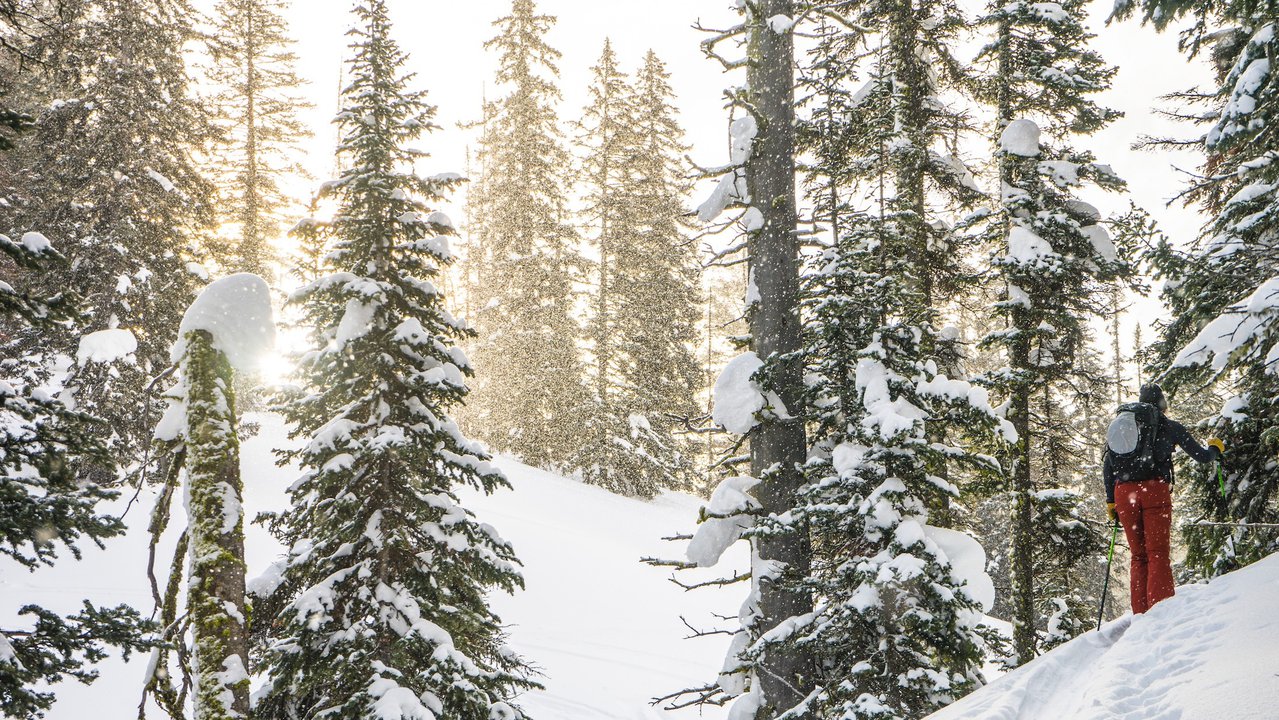
Trailhead beacon checks are really good.
But if that check does reveal something is wrong with your beacon, youre sort of screwed.
Nobody wants to drive home to get extra batteries or borrow a beacon.
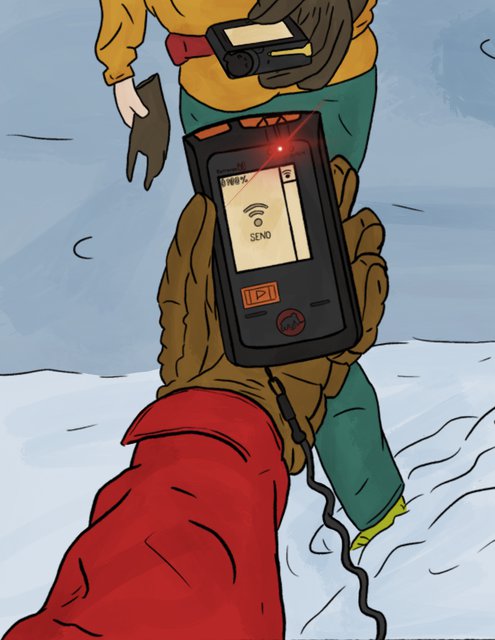
Instead, check that thing when you put your ski pants on.
Nobody wants to stand around in a cold parking lot watching you venture to put your skins on.
I usually do this the night before.
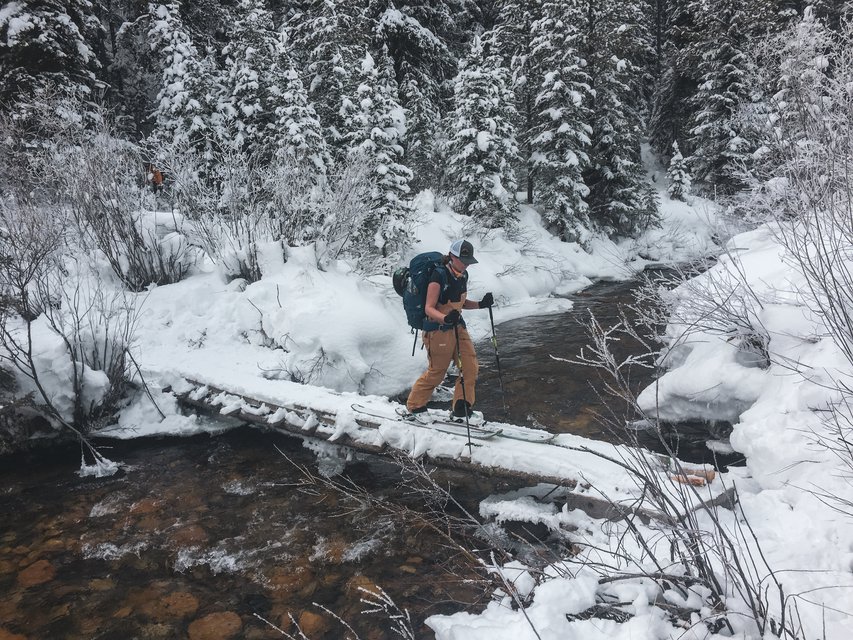
This also gives me a chance to go over my skis and bindings and verify theyre all functional.
Youre going to be moving for most of the day, dress accordingly.
Use Those Heel Risers
Those little heel lifter lever things?
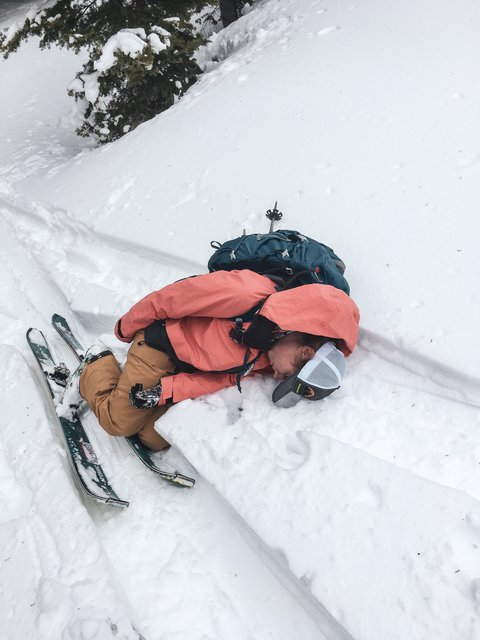
Theyre not dead weight.
Theyre actually one of the best tools available to help you get up steep skin tracks.
Dont attempt to muscle through without risers.
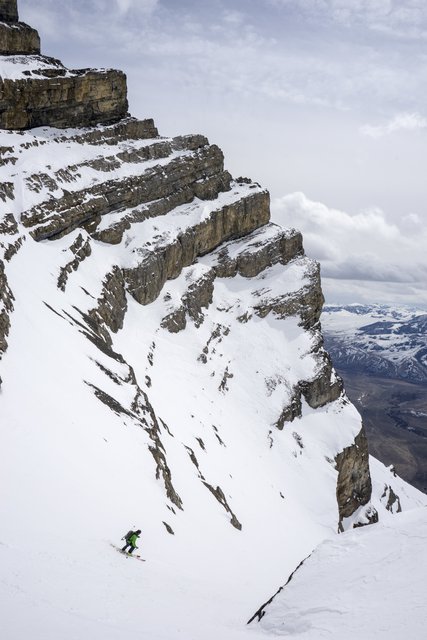
Risers are there to make a steep, icy skin track into a manageable staircase.
Use them before youre panicking and save time and energy.
Kick Turns
Kick turns are the bane of a novice skinners existence.
This is where people generally fall apart.
Here are a few tips Ive found though.
Get in the back seat
Skiers are supposed to avoid getting in the back seat at all costs.
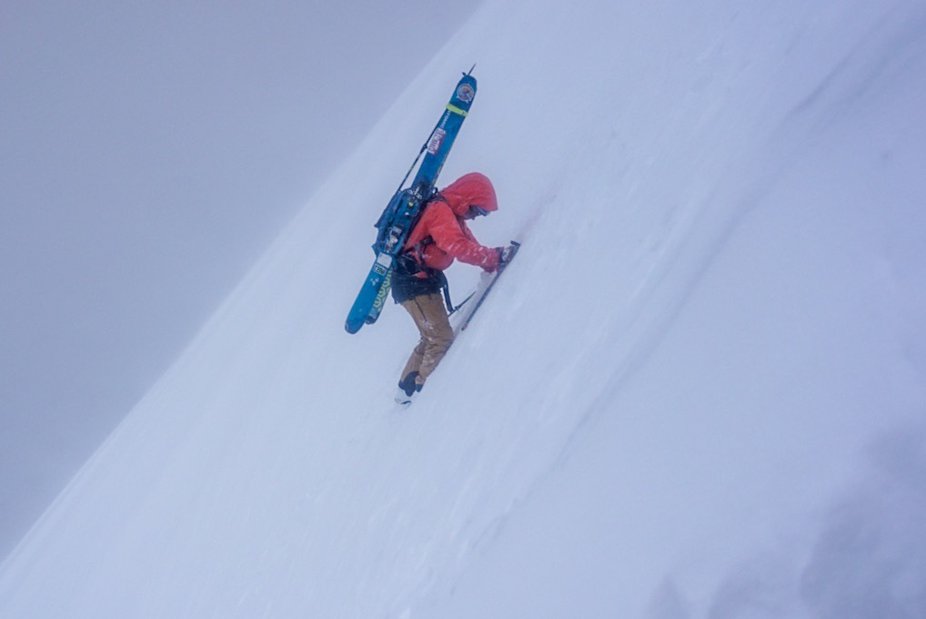
Instinctively you want to lean forward onto your toes on icy tracks.
This takes all the traction away from your skin and leaves you with a face full of ice.
Kickturns got you feeling down?
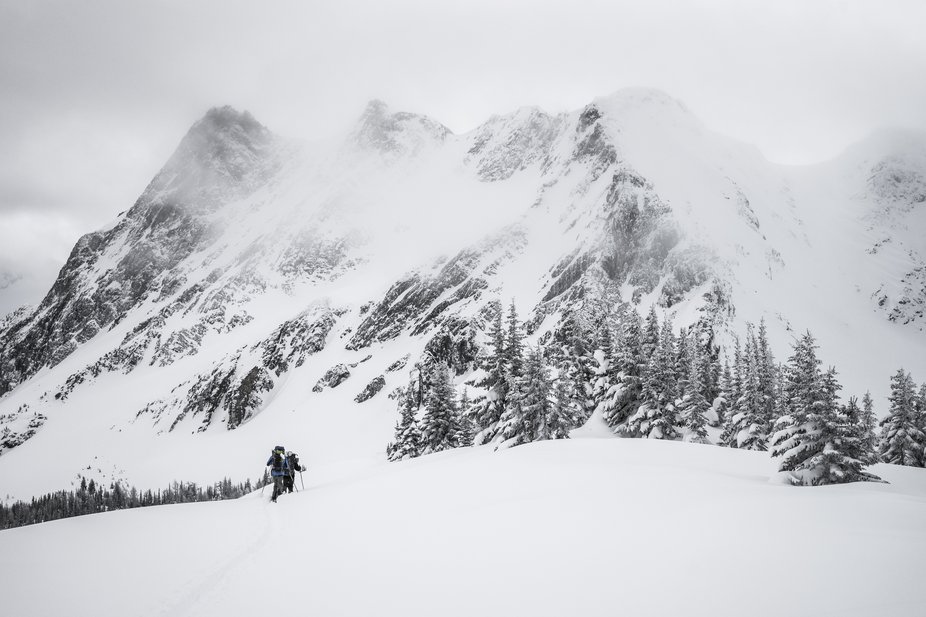
Youll often have better traction and a less blown-out track.
And a bad transition can mean dropping into a committing line with your boots in walk mode.
So here are some ways to smooth out your transitions.
So have a plan, and stick to it.
You have a goal, skiing or skinning, move toward it with purpose.
That way youre not skipping steps.
It also helps you move more efficiently.
Heres mine for transitioning from skinning to skiing.
Notice how I attempt to group actions that work together efficiently.
You don’t want to drop into something like this in walk mode.
Its way faster, and easier once youre good at it.
That way youre not wallowing in deep snow and having to clear your bindings every time you transition.
This one takes a lot of practice, its so worth it though.
Only Ever Take Off One Ski at a Time
Many of us tour to ski powder.
The thing about pow though is that its nearly impossible to move around in with your skis off.
So many beginners pop both skis off, and immediately sink in to their waist.
This makes transitioning take longer, and makes it really hard to get your skis back in.
Otherwise, save yourself some effort and keep one on at all times.
Skins
Climbing skins are a very valuable tool for getting around in the backcountry.
But they can also be very frustrating to folks just getting into backcountry touring.
Here are a couple of tips to help with that.
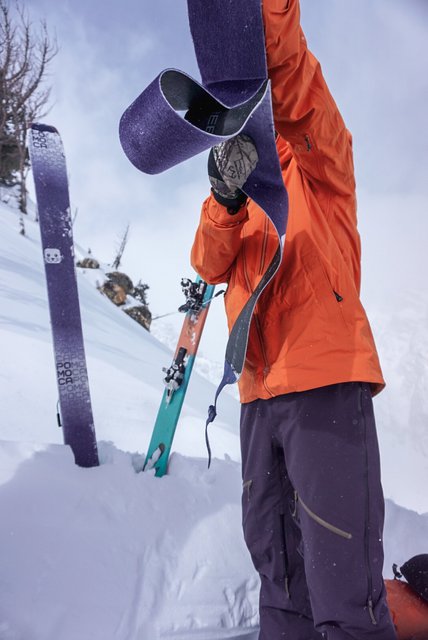
-Dont fold the skin glue to glue at transitions.
Many nylon skins can be folded or rolled with the glue side facing a plush side.
That way theres no sticking or unsticking to be done.
Just confirm theres nothing loose in your pack that can get stuck to the glue.
You dont want to be pulling pretzels out of your skin when you get home.
Theyre not great for long term glue storage, but are fine to use all winter.
Personally, I always try the other techniques first.
Its hard enough to fold your skins on a windy day without dealing with skin savers too.
My Skin Comes Off My Ski Every Few Laps
Some skins have suckier glue than others.
Skins generally come off your ski because of snow ingress.
you could also cut back the tips and tails of your skin with longer angles.
Sharp corners are more likely to get snow under them than smoother shapes.
Snow Is Sticking to the Bottom of My Skins
This is called glopping and it sucks.
There are a few ways to guard against it.
First off, wax your skins.
Good ski shops will carry a bar of skin wax that you could simply rub on.
It keeps snow from sticking to your skins, and will also help them glide better.
Ive found that a well-waxed Nylon skin can glide better than a rarely-waxed Mo-Mix one.
I wax my skins every 3-5 tours.
Clear your skins of snow and rub some on there.
Dry Your Skins
Most skin problems are exacerbated by moist skins.
Take your skins out of your pack after every tour and hang them somewhere warm and dry.
Moist skins stick worse and glop more.
Also they smell terrible.
pop fire up tongue of the shell all the way, and buckle your buckles looselyunderthe tongue butoverthe liner.
Cinch down the middle buckle over your forefoot/ankle area pretty well, but leave the others loose.
That may work for you, but its often a recipe for blisters.
This keeps your foot from rubbing in the liner, and also gives you more stability on sidehills.
Give it a shot and see what you think.
It looks dorky, but it really helps me stay hydrated.
Then I throw it in my pack for the way down.
They can fix most problems youll encounter.
I also recommend always having one in a pants pocket or just wrapped around your pole.
Personally, I sewed a custom insulation and space blanket lined pocket into my ski bibs.
A cheap Amazon battery bank also provides backup power.
Huge fan, never going back to small sunglasses.
Med Kit
Im no medical professional, but I venture to be over-prepared with my med kit.
Heres a list, make yours based on where you ski, and your own medical skills and knowledge.
Hopefully not, but if you have to, its really nice to have TP.
Tools
Backcountry skiing is the most efficient way to get around the mountains in winter until your gear breaks.
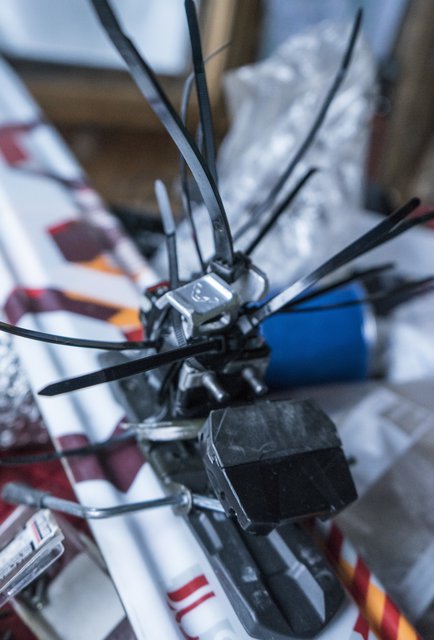
you’re able to never carry too many zip ties.
Having the tools and parts to fix common problems can really save a day.
